

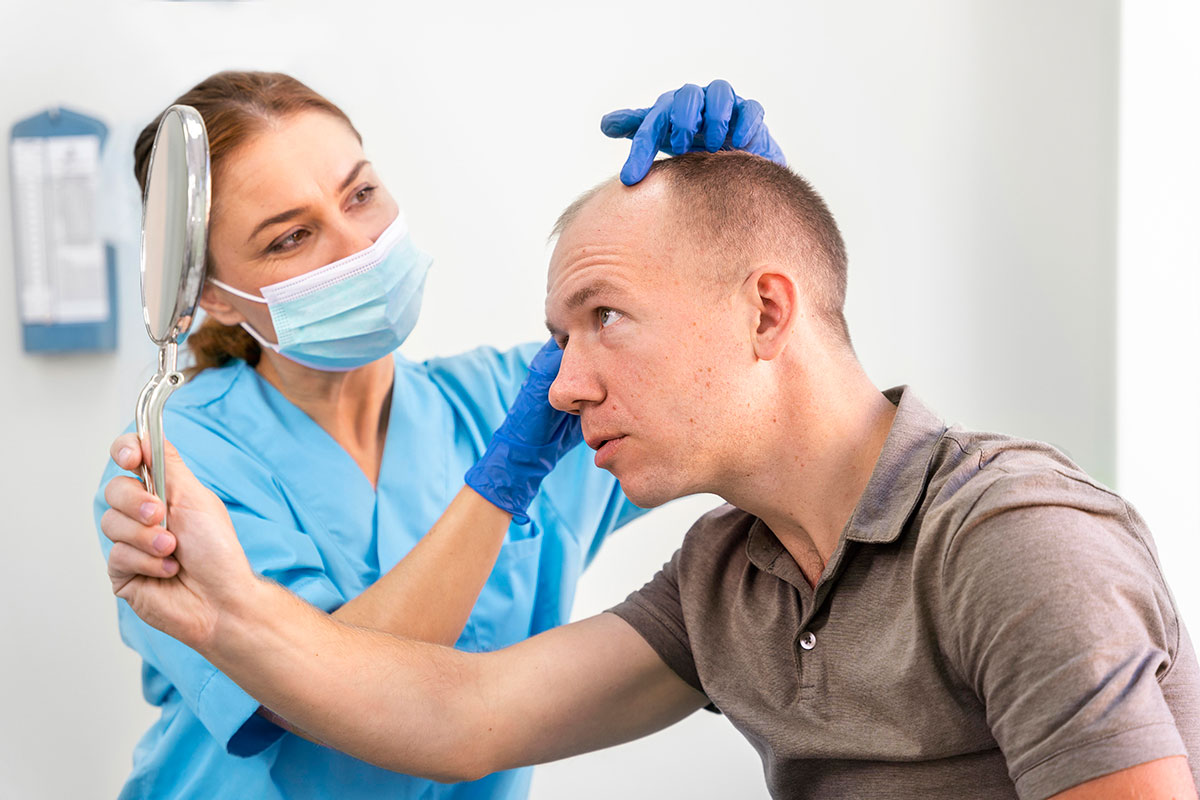
For individuals grappling with hair loss, the search for an effective and minimally invasive solution has led to the rise of innovative techniques in the field of hair transplantation. Among these, Direct Hair Implantation (DHI) has emerged as a game-changer, offering a precise and less invasive alternative to traditional methods. In this article, we explore the distinctive features that make DHI a minimally invasive procedure for hair restoration.
Understanding Minimally Invasive Hair Transplantation:
Hair transplantation has evolved significantly over the years, with a focus on minimizing discomfort, reducing downtime, and achieving natural-looking results. Minimally invasive procedures, like DHI, prioritize these factors by streamlining the transplant process and optimizing the patient experience.
The DHI Advantage:
- Single-Step Procedure: One of the key aspects that make DHI minimally invasive is its single-step procedure. Unlike traditional methods that involve separate extraction and implantation steps, DHI combines these processes, reducing the overall duration of the surgery and minimizing trauma to the scalp.
- Choi Implanter Pen Technology: At the heart of DHI’s minimally invasive approach is the Choi Implanter Pen. This specialized tool allows for the precise and controlled implantation of hair follicles directly into the recipient area without the need for creating incisions in advance.
- Reduced Healing Time: The minimally invasive nature of DHI translates to a quicker recovery period for patients. The absence of extensive incisions and stitches means less post-operative discomfort, reduced swelling, and a faster return to regular activities.
- No Linear Scarring: Unlike older techniques such as Follicular Unit Transplantation (FUT), which involves a linear incision and leaves a noticeable scar, DHI leaves minimal scarring. This is particularly advantageous for individuals who prefer shorter hairstyles as there is no linear scar to conceal.
Patient Experience:
- Less Discomfort: With a focus on minimizing trauma to the scalp, DHI patients typically experience less discomfort during and after the procedure compared to traditional methods.
- Natural-Looking Results: The precision of the Choi Implanter Pen ensures that transplanted hair follicles are placed at the right depth and angle, leading to natural-looking results that seamlessly blend with existing hair.
- Customization: DHI allows for meticulous customization, enabling surgeons to artistically design the hairline and distribute follicles according to the patient’s unique facial features and aesthetic preferences.
Conclusion:
In the pursuit of a minimally invasive solution for hair restoration, DHI has emerged as a frontrunner, offering a combination of precision, efficiency, and patient comfort. As individuals explore options for combating hair loss, the minimally invasive nature of DHI provides a compelling reason to consider this advanced technique for achieving natural and long-lasting results. Before undergoing any hair transplant procedure, individuals are encouraged to consult with experienced surgeons to determine the most suitable approach based on their specific needs and expectations.